Tool and die making is a trade you can learn on the job, with a paycheck, through an apprenticeship. This article is for people thinking about that path, and for the parents helping them think it through. It covers what the work involves, how a registered apprenticeship is set up in the US and in New York State, what you learn, and how to get started.
What tool and die makers do
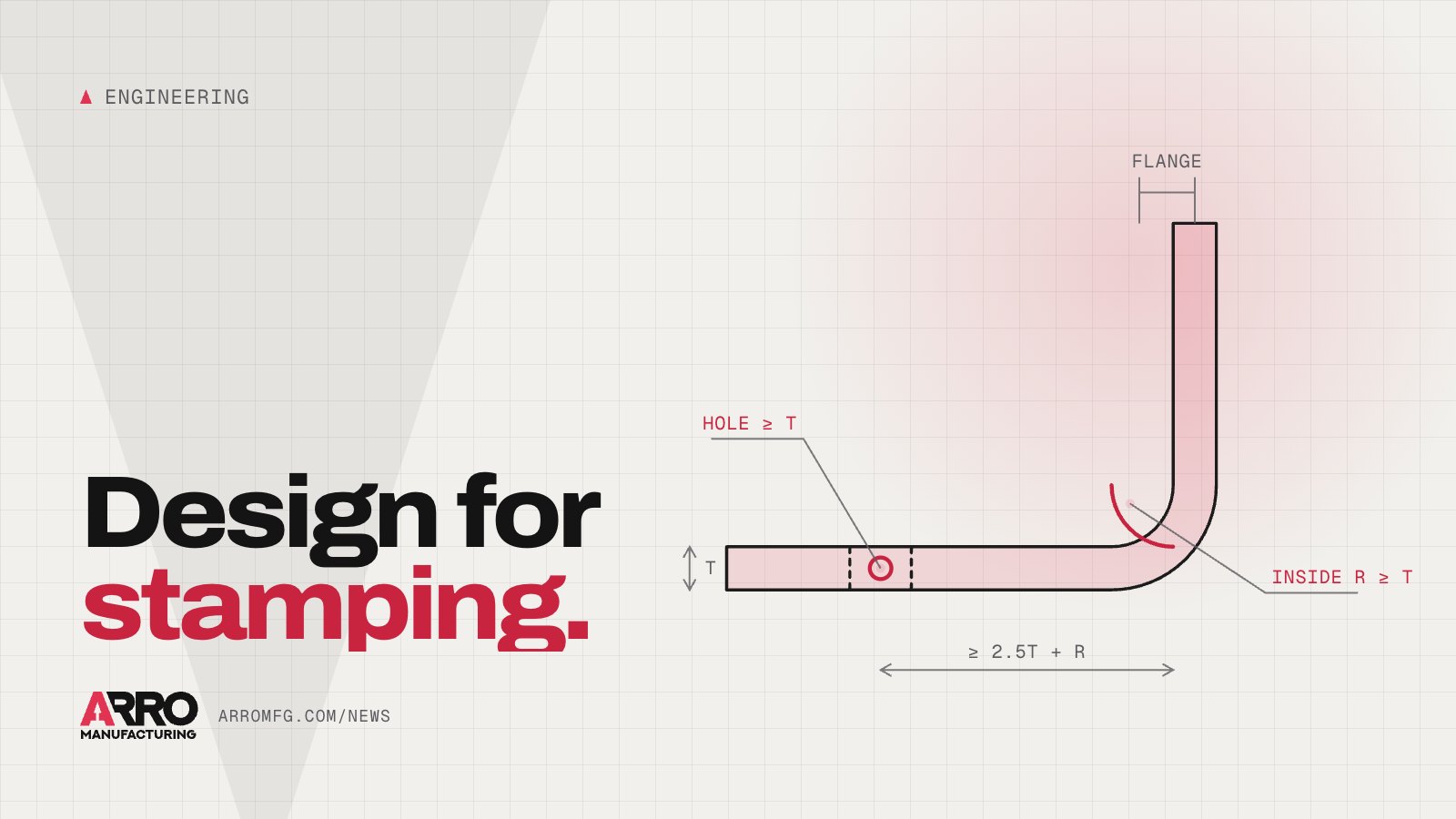
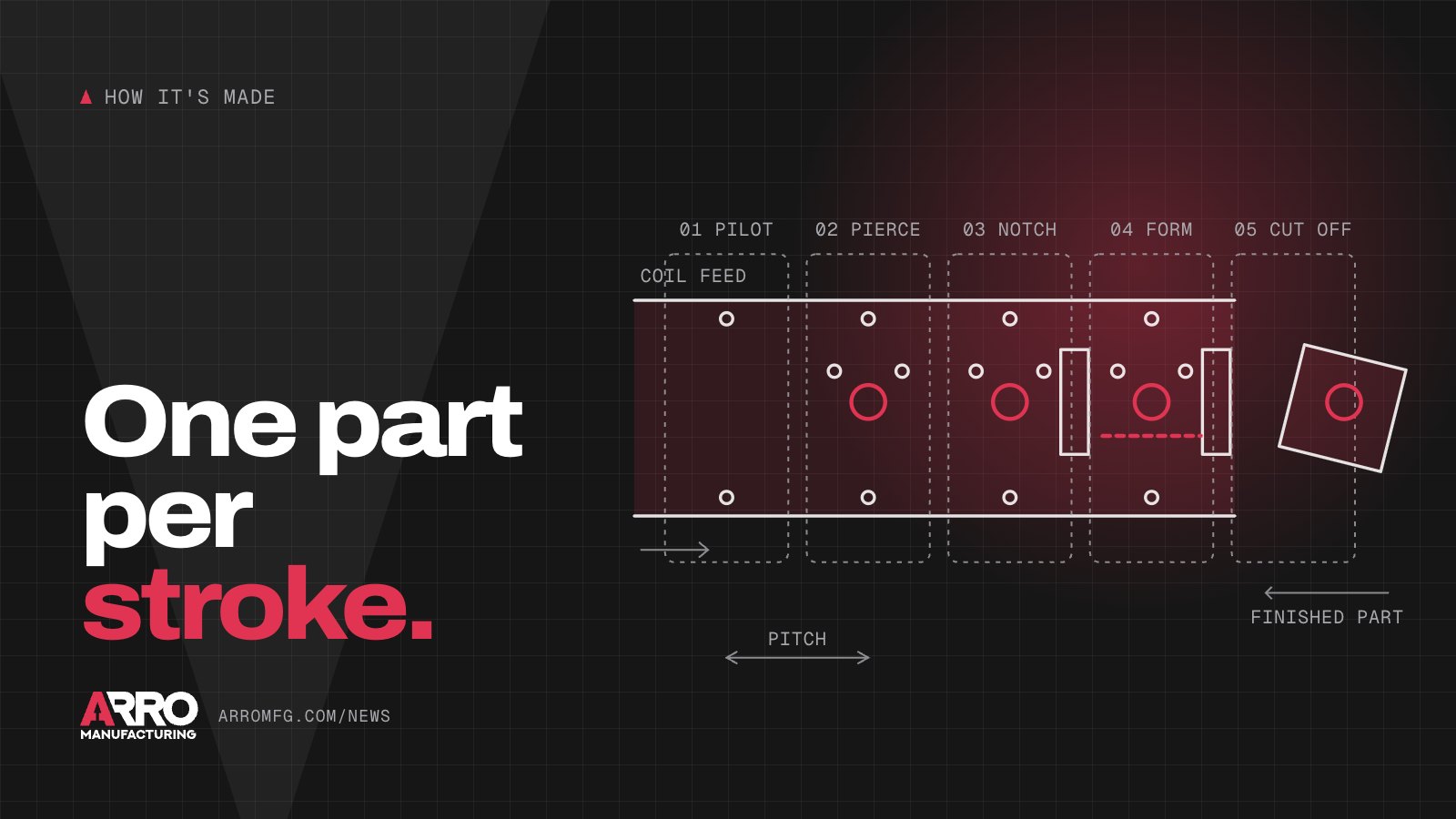
Every stamped metal part starts with a die, the hardened steel tool a press uses to cut and form sheet metal into a finished shape. Tool and die makers build and repair those dies, along with fixtures, jigs, gauges and cutting tools.
Day to day, that means reading prints and CAD files, laying out and machining steel, grinding and fitting parts until they go together just right, and testing the finished die. According to the Bureau of Labor Statistics, the work can call for accuracy within a ten-thousandth of an inch. For a longer explanation, read what tool and die making is.
How a registered apprenticeship works
An apprenticeship pairs paid on-the-job training under an experienced tradesperson, called a journeyworker, with related classroom instruction that covers the theory behind the work.
A registered apprenticeship is one approved by the U.S. Department of Labor or by a State Apprenticeship Agency. In New York, the State Department of Labor registers apprenticeship programs. Registered programs share a few basics:
- You are a paid employee, and your pay rises on a set schedule as your skills grow.
- Your on-the-job training follows a written outline of the skills you need to learn.
- You take related instruction alongside the work.
- When you finish, you earn a certificate of completion, a credential recognized nationally in your industry.
An apprentice is a paid employee, learning the trade on real work under someone who already knows it well.
How long it takes
Plan on about four years.
Nationally, the Department of Labor's work process schedule for tool and die maker estimates a four-year program. It is competency-based, which means you move forward by showing you can do each skill rather than by counting hours. It suggests 576 hours of related instruction over the program, and federal apprenticeship rules recommend at least 144 hours of related instruction for each year.
New York's version is based on hours. The state's tool and die maker outline lists about 8,000 hours of on-the-job training, which works out to roughly four years of full-time work. It requires at least 144 hours of related instruction for every apprentice, every year. Those classes usually happen outside working hours, through BOCES, community colleges, industry plants or union facilities, and program sponsors usually pay for them. In some programs, the classes may also count toward an associate degree.
What you learn
New York's outline spells out where those 8,000 hours go, and the national schedule lists the skills an apprentice has to show. Between them, expect to learn:
- Blueprint reading. Prints and shop drawings, from elementary drawings to specialized ones.
- Shop math. Algebra, geometry and trigonometry applied to real parts, plus precision measurement.
- Machining. Lathes, vertical and horizontal mills, drill presses and jig bores, on both manual and CNC equipment.
- Grinding. Surface, cylindrical, internal and universal grinding, plus sharpening cutters. New York gives grinding about 1,500 hours, more than any other single area.
- EDM. Electrical discharge machining, which uses electrical sparks to shape hardened steel. Shops like ours also run Wire EDM.
- Heat treat. Hardening, drawing and annealing tool steel and testing its hardness (an optional section in New York's outline).
- Die building and tryout. Fitting and assembling die components, setting die timing, running tryout parts in a press and troubleshooting problems like a strip that won't feed straight or tool steel that chips.
- CAD/CAM. Reading CAD models and working with CAM programming, which the Bureau of Labor Statistics lists among the trade's technical skills.
In the classroom you also cover safety and first aid, metallurgy, and tool and die design.
Traits that help
Nobody expects you to walk in knowing how to run a surface grinder. That is what the apprenticeship is for. What helps most is how you approach the work:
- Comfort with numbers. Shop math comes up every day, so solid high school algebra, geometry and trig give you a head start.
- Patience and care. Holding tight tolerances takes a steady hand and a habit of checking your own work.
- Mechanical sense. If you like figuring out how things fit together, this trade will feel familiar.
- Problem solving. When a die is not running right, someone has to work out why.
- Stamina. Much of the day is spent on your feet at a machine or bench.
How to get started
- Take the math and shop classes you can. Most New York program sponsors require a high school diploma or equivalent, and some also look for completed math courses.
- Know the basic requirements. Registered programs set a minimum age and require that you be physically able to do the job. Under federal rules, the starting age can be no lower than 16.
- Look for openings. The New York State Department of Labor posts apprenticeship announcements on its website, and any Department of Labor Career Center can help. Nationally, the Apprenticeship Job Finder on apprenticeship.gov lists open positions.
- Talk to shops directly. The state suggests contacting companies that have workers in the trade you want to learn. Your high school guidance counselor is another good place to start.
Arro has been building dies since 1952. If you are interested in learning tool and die making with us, reach out through our careers page and tell us a little about yourself.
Sources
- dol.ny.gov/tool-die-maker-time
- dol.ny.gov/earn-while-you-learn-become-apprentice-p535
- dol.ny.gov/apprenticeship/apprenticeship-announcements
- apprenticeship.gov/sites/default/files/cb-tool-and-die-maker-0586-v1.docx
- apprenticeship.gov/registered-apprenticeship
- apprenticeship.gov/about-us/apprenticeship-system
- apprenticeship.gov/apprenticeship-job-finder
- law.cornell.edu/cfr/text/29/29.5
- bls.gov/ooh/production/machinists-and-tool-and-die-makers.htm